Types of Genetic Disorders
Genetic disorders are generally classified into three main categories:
03. Multifactorial (Complex) Disorders

Caused by interactions between multiple genes and environmental factors.
Examples:
Diabetes
Cardiovascular disease
Many cancers
Genome-wide association studies (GWAS) have identified thousands of genetic variants linked to complex diseases.
02.Chromosomal Disorders
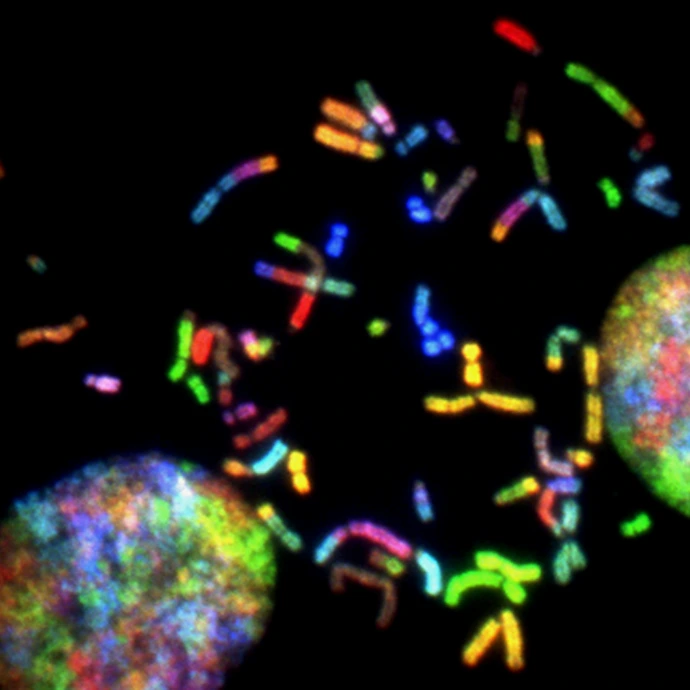
Result from structural changes or abnormal chromosome numbers.
Example:Down syndrome (Trisomy 21)
Chromosomal abnormalities often occur due to errors during cell division (meiosis).
01.Single-Gene ( Monogenic) Disorders
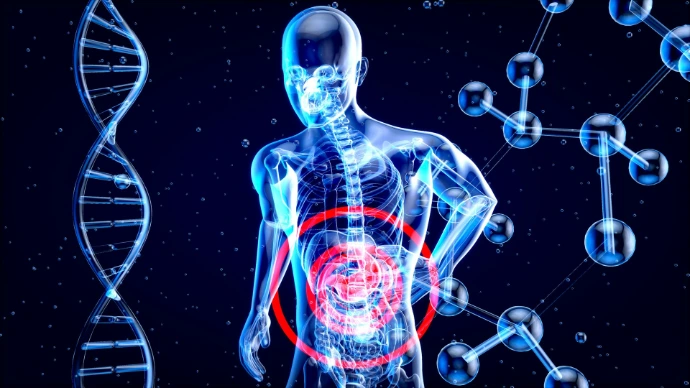
Caused by mutations in one gene.
Cystic fibrosis
Sickle cell disease
Huntington disease
Monogenic disorders follow predictable inheritance patterns (autosomal dominant, autosomal recessive, X-linked).
What Causes Genetic Disorders?
Genetic disorders occur when mutations change the DNA instructions that tell the body how to make proteins. If a protein is missing or does not work properly, normal cell function can be disrupted, leading to disease. Mutations may happen naturally or be triggered by environmental factors such as chemical exposure, radiation, smoking, or UV rays from the sun.


How Do Genetic Mutations
Cause Disease?
A mutation is a permanent change in the DNA sequence. Mutations can occur naturally during DNA replication or be caused by environmental factors such as radiation or chemicals.
Most mutations are harmless, but some disrupt protein function.
According to Cooper et al., disease-causing mutations often alter protein coding regions or regulatory elements controlling gene expression.
Types of Mutations
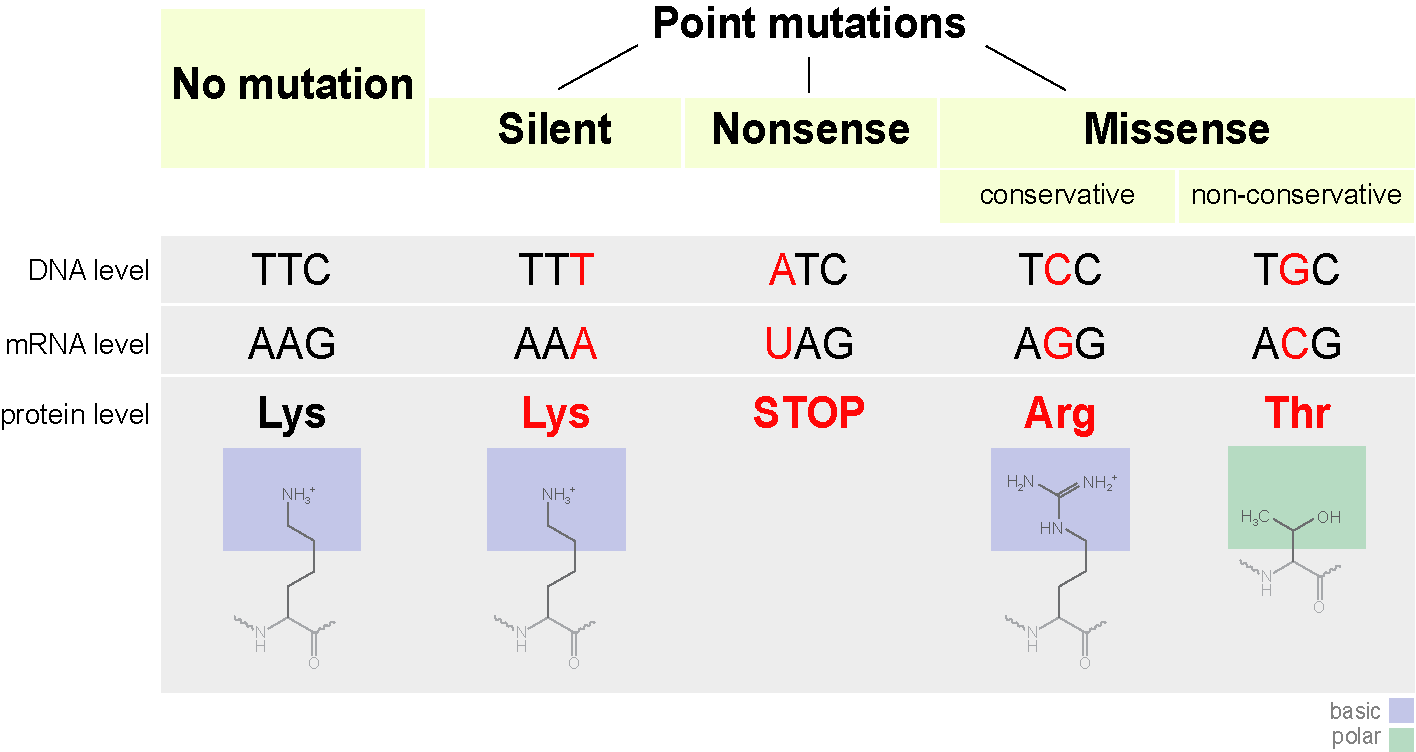
- Missense mutation – one amino acid is changed
Nonsense mutation – premature stop signal
Frameshift mutation – insertion or deletion alters reading frame
Copy number variation (CNV) – duplication or deletion of large DNA segments
Structural variations are increasingly recognised as major contributors to human disease
Diagnosis and Genomic Technologies
The Role of DNA Sequencing
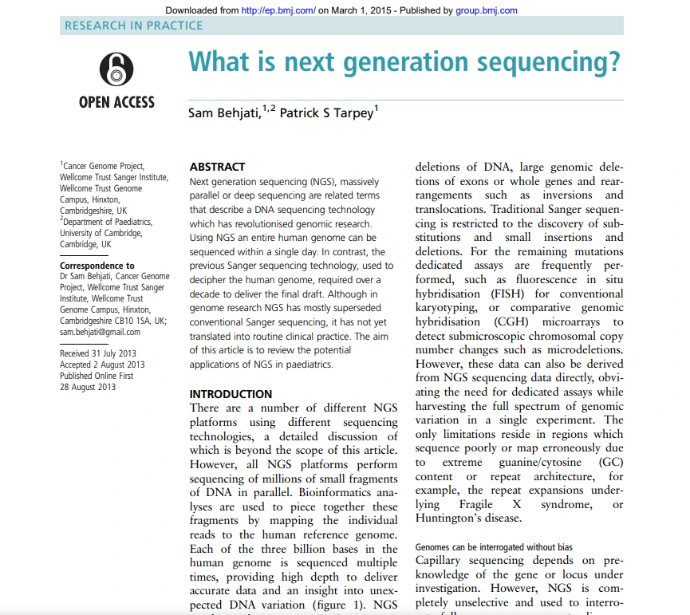
Next-generation sequencing (NGS) has transformed the diagnosis of genetic disorders. It allows rapid sequencing of entire genomes or exomes.
Whole-exome sequencing has significantly improved diagnosis rates in rare genetic diseases.
Genetic Testing Approaches
Modern genomics offers powerful tools to detect genetic variations associated with inherited disorders, rare diseases, and complex conditions. Each testing approach is designed to analyse DNA at a different scale from single genes to the entire genome.
Whole Genome Sequencing (WGS) : analyses the complete DNA sequence of an individual including coding and non-coding regions
Whole Exome Sequencing (WES) : ocuses only on the exome the portion of the genome that codes for proteins (about 1–2% of the genome).
Targeted gene panels : Targeted panels analyze a specific group of genes associated with a particular disease or condition.
Chromosomal microarray analysis : detects large DNA changes such as: Deletions,Duplications ,Copy number variations (CNVs)


Biomarkers and Personalised Medicine
Genomic information now guides discovery:
Cancer therapy selection
Drug response prediction
Risk assessment for inherited diseases
This approach moves healthcare from reactive treatment to proactive prevention.
Gene Therapy & Future Directions
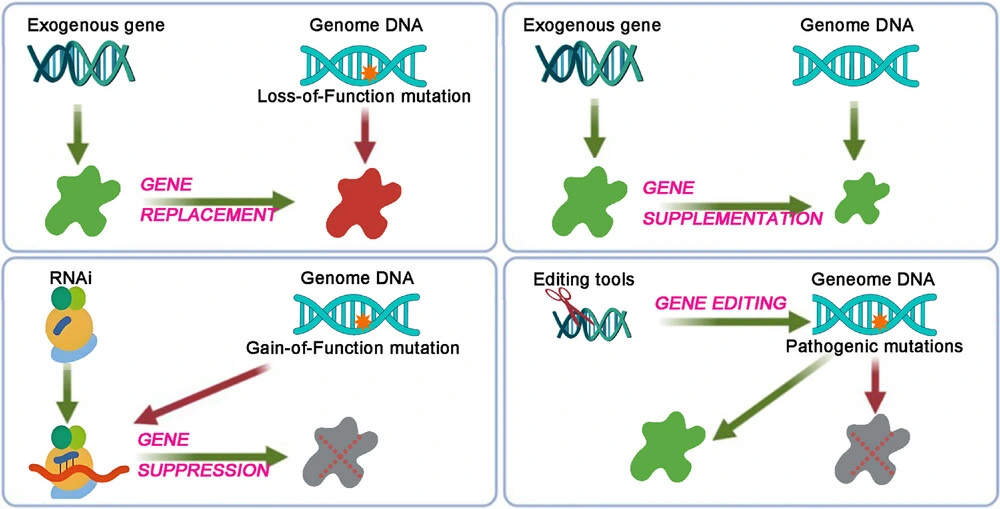
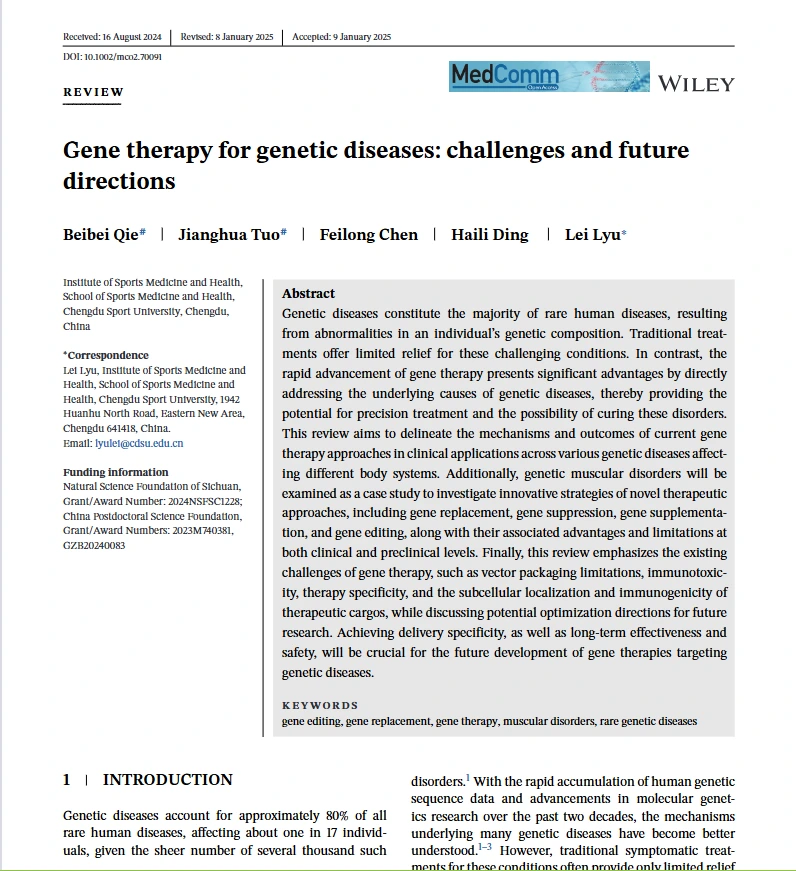
Gene therapy is a medical approach that aims to treat disease by correcting or replacing defective genes at their source. Instead of managing symptoms, it targets the underlying genetic cause to restore normal cell function. Therapeutic genes are typically delivered into cells using modified viral vectors or advanced genome editing tools such as CRISPR. These technologies allow scientists to repair mutations or introduce functional copies of genes with increasing precision. As research advances, gene therapy is becoming a powerful strategy in precision medicine with the potential for long-lasting or even permanent treatments.
James Watson (Co-discoverer of DNA structure)“DNA is like a computer program but far, far more advanced than any software ever created.”